Hair thinning and hair loss affect millions of men and women every year, often impacting confidence and self-image. As people search for non-surgical hair restoration options, Platelet-Rich Plasma (PRP) therapy has become one of the most talked-about treatments in aesthetic medicine.
But does PRP for hair loss really work?
The short answer is that PRP has shown promising results for many individuals experiencing early-stage hair loss and thinning hair. While it is not a cure for baldness, it can help stimulate hair follicles, improve hair density, and support healthier hair growth when used appropriately.
If you’re exploring treatment options, understanding how PRP works and who can benefit from it is the first step toward making an informed decision.
Why PRP Is Gaining Popularity for Hair Restoration
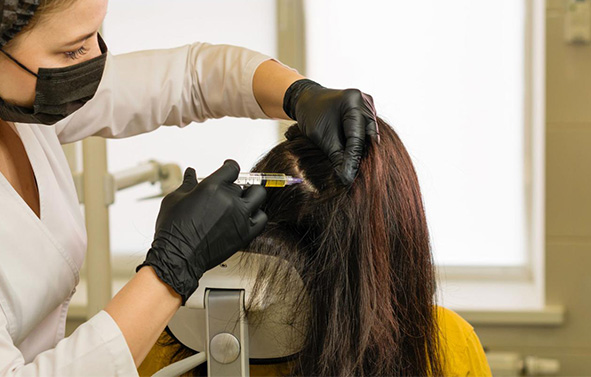
PRP therapy has gained significant attention because it uses your body’s own natural healing abilities to encourage hair growth. Unlike surgical procedures, PRP is minimally invasive, requires little downtime, and can be performed in a medical spa setting.
Many patients appreciate that PRP relies on growth factors found in their own blood rather than synthetic ingredients. As interest in natural-looking aesthetic treatments continues to rise, PRP has become a popular choice for individuals seeking hair restoration without surgery.
According to the Cleveland Clinic, PRP injections are widely used in regenerative medicine because platelets contain proteins and growth factors that help support tissue repair and healing.
For patients considering other regenerative treatments, you may also want to learn more about our PRP facial rejuvenation treatments and microneedling services.
What Is PRP and How Does It Work?
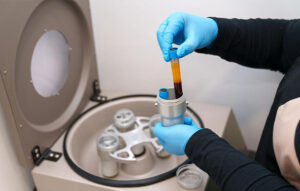
PRP stands for Platelet-Rich Plasma. The treatment begins with a small blood draw, similar to a routine lab test. The blood is then processed in a centrifuge to separate and concentrate the platelets.
These concentrated platelets contain growth factors that can help stimulate cellular activity and improve blood supply to targeted areas.
The Science Behind Platelet-Rich Plasma
When PRP is injected into the scalp, the growth factors may help:
- Stimulate dormant hair follicles
- Improve blood circulation to the scalp
- Strengthen existing hair follicles
- Extend the growth phase of the hair cycle
- Promote thicker, healthier-looking hair
Research published by the National Library of Medicine suggests that PRP can be an effective treatment option for androgenetic alopecia, commonly known as male and female pattern hair loss.
While individual results vary, many patients experience improved hair quality and increased hair density over time.
Who Can Benefit from PRP?
PRP is generally most effective for individuals experiencing mild to moderate hair thinning rather than complete hair loss.
Hair Thinning and Early Hair Loss
Ideal candidates often include:
- Men experiencing early male pattern baldness
- Women with thinning hair
- Patients noticing increased hair shedding
- Individuals seeking a non-surgical treatment option
- Those looking to complement other hair restoration treatments
PRP works best when hair follicles are still active. Once follicles have been inactive for an extended period, results may be limited.
If you’re unsure whether PRP is right for you, scheduling a consultation can help determine the best treatment plan. You may also benefit from combining PRP with other treatments offered at our clinic, such as hair restoration services or wellness treatments designed to support overall health.
What Results Can You Expect?
One of the most common questions patients ask is how quickly they will see results.
PRP is not an overnight solution. Hair growth occurs gradually, and patience is important during the treatment process.
Treatment Timeline and Maintenance
Most treatment plans include an initial series of three to four sessions spaced several weeks apart.
A typical timeline may look like this:
Month 1–3
- Initial treatment series begins
- Hair shedding may stabilize
- Early follicle stimulation occurs
Month 3–6
- Increased hair thickness may become noticeable
- Improved scalp health develops
- Hair density often begins to improve
Month 6–12
- Continued enhancement of hair quality
- Fuller appearance in treated areas
- Maintenance sessions may be recommended
The American Academy of Dermatology notes that PRP may help some individuals regrow hair and reduce hair loss, though ongoing maintenance treatments are often necessary to sustain results.
Because every patient is different, outcomes depend on factors such as age, genetics, the severity of hair loss, and overall health.
Conclusion
Is PRP the Right Option for You?
PRP therapy has become one of the most sought-after non-surgical hair restoration treatments for a reason. By using your body’s own growth factors, it offers a natural approach to supporting healthier, fuller-looking hair.
While PRP is not a cure for advanced hair loss, it can be highly beneficial for individuals experiencing early thinning and looking to preserve and strengthen existing hair.
The best way to determine whether PRP is right for you is through a personalized consultation. A qualified provider can evaluate your scalp, discuss your goals, and create a treatment plan tailored to your needs.
Schedule Your PRP Hair Restoration Consultation
Ready to learn whether PRP can help you achieve thicker, healthier-looking hair?
Contact our team today to schedule a consultation and explore your personalized hair restoration options.