
The aesthetic medicine landscape is evolving at an unprecedented pace in 2025, blending artistry with cutting-edge science. Today’s patients are more informed, more discerning, and more focused on treatments that enhance their natural features while supporting their overall well-being. From the rise of regenerative techniques to the integration of AI-driven technologies, the trends emerging this year are redefining what’s possible.
Below, we explore the top developments shaping the future of medical aesthetics and how they are transforming the patient experience.
A Focus on Holistic Well-being
Beauty in 2025 is no longer defined solely by the absence of wrinkles or the perfection of facial symmetry. Patients are seeking aesthetic treatments that integrate physical enhancement with lifestyle wellness. This means looking beyond surface-level improvements to address skin health, mental confidence, and long-term vitality.
Holistic protocols often combine non-invasive procedures with wellness therapies such as lymphatic drainage, nutritional guidance, and stress-reduction techniques. Treatments that improve skin from the inside out — by boosting hydration, strengthening the skin barrier, and enhancing microcirculation — are seeing a surge in demand.
Practitioners are adopting a “whole-face and whole-body” approach, ensuring that results remain balanced, natural, and in harmony with the patient’s overall appearance. This shift reflects a growing understanding that true beauty radiates from overall health and well-being, not just isolated cosmetic changes.
Minimally Invasive Procedures Take Centre Stage
While surgical options remain valuable for certain cases, the aesthetic spotlight is firmly on minimally invasive procedures in 2025. Patients want visible, long-lasting results without the downtime or risks associated with surgery.
Advanced microneedling paired with radiofrequency, collagen-stimulating injectables, and skin-tightening ultrasound treatments are among the most sought-after services. These procedures work by triggering the body’s own healing mechanisms — stimulating collagen and elastin production for gradual, natural improvements.
The appeal lies in their efficiency: many of these treatments can be performed in under an hour, require little recovery time, and deliver cumulative benefits over weeks or months. With technology continually refining precision and comfort, minimally invasive aesthetics will remain a cornerstone of patient demand.
Technological Innovation in Patient Care
The integration of digital technology into aesthetic medicine has revolutionized both diagnostics and treatment planning. Virtual consultations have become standard practice, making it easier for patients to access expert advice from anywhere in the world.
Augmented reality (AR) imaging now allows patients to “preview” potential results before committing to a procedure, improving confidence and communication between patient and practitioner. Artificial intelligence (AI) is also enhancing skin analysis, providing detailed assessments that identify concerns such as pigmentation, texture irregularities, or early signs of ageing — all with remarkable accuracy.
Behind the scenes, data analytics help clinics tailor marketing and patient engagement, ensuring individuals receive relevant information and follow-up care. These tools not only improve treatment outcomes but also strengthen trust and transparency in the practitioner-patient relationship.
Sustainability in Aesthetic Practices
Environmental responsibility has become a priority across industries, and aesthetic medicine is no exception. Patients are increasingly choosing clinics that align with their values, favouring those that adopt eco-conscious practices.
Sustainability in aesthetics goes beyond biodegradable packaging. Many clinics are introducing energy-efficient equipment, reducing waste in treatment processes, and opting for products with ethically sourced, skin-compatible ingredients.
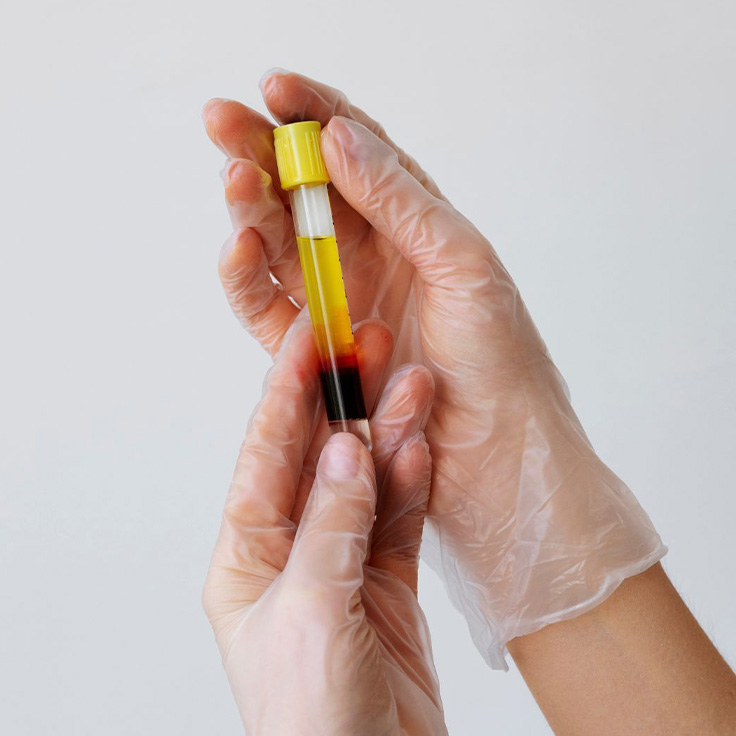
One standout innovation is the growing adoption of regenerative procedures, which use the body’s own resources — such as platelet-rich plasma (PRP) or stem cell-based therapies — to encourage tissue repair and collagen production. These treatments reduce reliance on synthetic fillers and offer benefits that can last longer, resulting in fewer repeat procedures.
By embracing sustainability, practitioners are not only protecting the planet but also positioning themselves as forward-thinking leaders in the field.
Personalised Care for Natural Results
Customization is no longer a luxury — it’s the expectation. In 2025, aesthetic practitioners are moving away from “one-size-fits-all” approaches in favour of truly personalised treatment plans.
This begins with a detailed understanding of each patient’s facial anatomy, skin type, lifestyle, and personal goals. High-resolution imaging, 3D facial mapping, and AI-powered diagnostic tools enable practitioners to design treatments with pinpoint precision.
The result is a tailored approach that enhances natural features rather than altering them beyond recognition. Whether it’s a subtle tweak to restore volume in the midface or a carefully balanced combination of skin treatments, personalisation ensures results look effortless and authentic.
The Rise of Regenerative Techniques
Regenerative aesthetics is one of the most exciting areas of growth in 2025. These treatments focus on stimulating the body’s own repair mechanisms rather than relying solely on synthetic products.
Therapies like PRP, exosome treatments, and bio-stimulating injectables not only improve skin texture and elasticity but also promote long-term skin health. By working at the cellular level, regenerative techniques can reverse signs of ageing while preventing further deterioration.
This shift towards self-healing aligns perfectly with patient desires for safer, more natural-looking outcomes that age gracefully over time. As research progresses, regenerative treatments are expected to become even more effective and accessible.
What This Means for Patients and Practitioners
The trends shaping aesthetic medicine in 2025 point toward a future where beauty treatments are more precise, personalized, and in tune with individual values. For patients, this means:
- Access to a wider range of safe, minimally invasive procedures
- Results that reflect their unique features and lifestyle goals
- More sustainable and ethically responsible treatment options
- A stronger connection between aesthetic care and overall wellness
For practitioners, staying competitive requires embracing innovation, refining personalization, and adopting greener practices. The integration of advanced technology not only improves outcomes but also streamlines clinic operations, enhances patient trust, and builds long-term relationships.
Final Thoughts
Aesthetic medicine in 2025 is defined by progress in technology, sustainability, and the philosophy of care. The focus has shifted from dramatic makeovers to thoughtful, customised enhancements that prioritise natural results, long-term skin health, and patient confidence.
As innovation continues to accelerate, patients can look forward to treatments that are safer, smarter, and more aligned with their values. For practitioners, the challenge and opportunity lie in embracing these advancements to deliver the best possible care.
The future of aesthetic medicine is not just about looking younger — it’s about looking and feeling your best, in a way that’s uniquely you.